Understanding Mini Split AC Units
Mini split AC units have gained immense popularity in recent years, providing efficient cooling and heating solutions tailored for various spaces. Unlike traditional air conditioning systems that require extensive ductwork, mini splits consist of an outdoor compressor and one or more indoor air-handling units, enabling zoning capabilities for individualized temperature control. This article delves deep into the features, benefits, and considerations surrounding mini split AC units, helping homeowners and business owners make informed decisions when seeking climate control solutions. When exploring options, mini split ac unit provides comprehensive insights into the latest models and functionalities.
What is a Mini Split AC Unit?
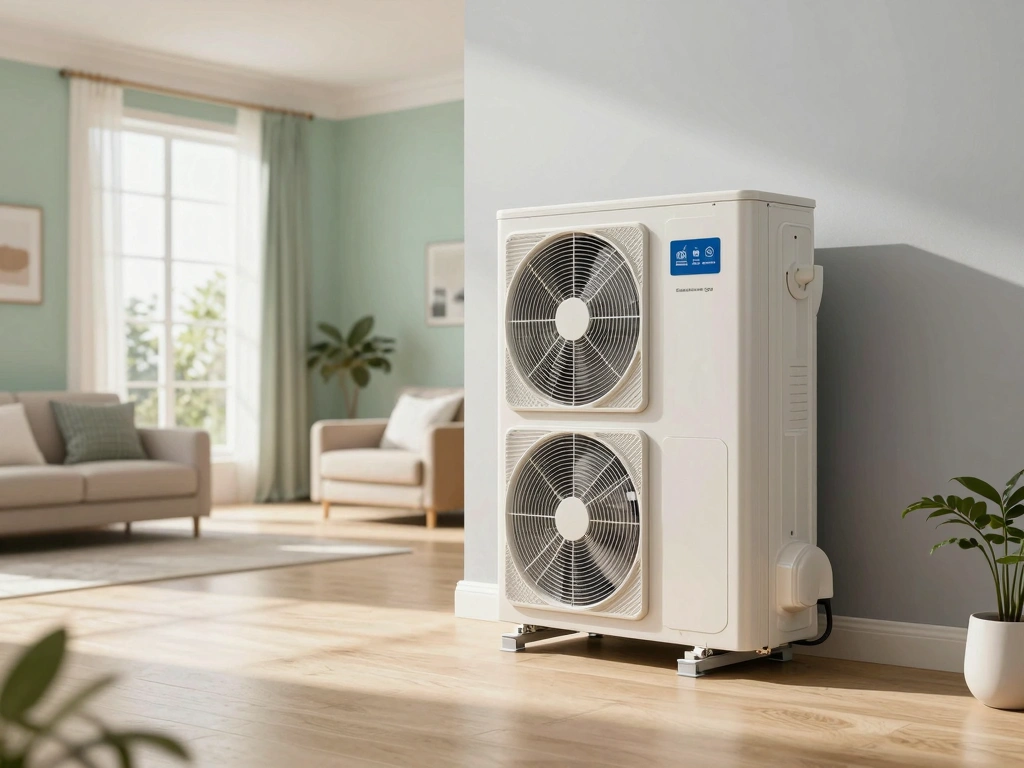
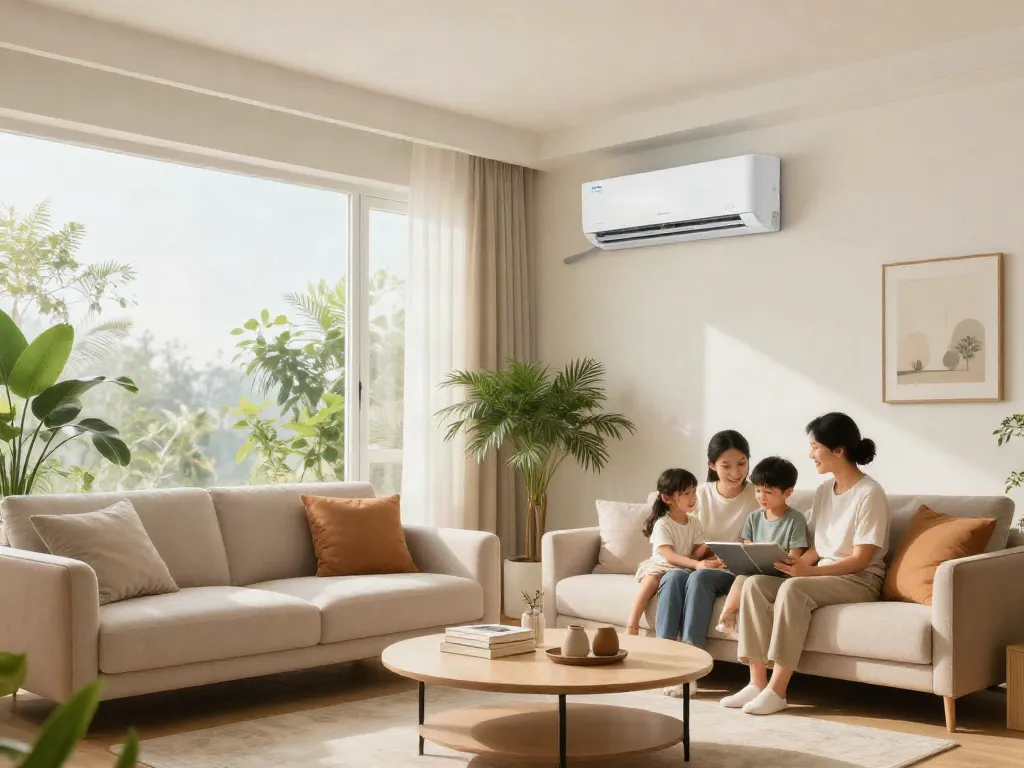
A mini split AC unit, also known as a ductless mini-split system, is a compact HVAC system designed to effectively heat and cool specific areas without the need for ductwork. It consists of two main components: the outdoor unit, which houses the compressor, and the indoor unit, which is responsible for delivering conditioned air into the living space. These systems can be easily installed in various settings, from residential homes to commercial spaces, making them versatile options for temperature regulation.
Key Benefits of Mini Split Systems
- Energy Efficiency: Mini split AC units are highly energy-efficient, often boasting SEER ratings between 16 to 30, which can result in lower electricity bills compared to traditional units.
- Flexible Installation: The absence of ductwork allows for flexible installation options, enabling homeowners to install units in spaces where traditional systems may not be feasible.
- Zone Control: With the ability to have multiple indoor units connected to a single outdoor condenser, mini splits offer zone control, allowing users to set different temperatures in different rooms.
- Noise Reduction: Mini split systems operate quietly, making them ideal for bedrooms, studies, or other noise-sensitive environments.
- Heating Capability: Many mini split AC units also function as heat pumps, providing year-round comfort by efficiently heating spaces during colder months.
Comparing Mini Split AC Units With Other Cooling Options
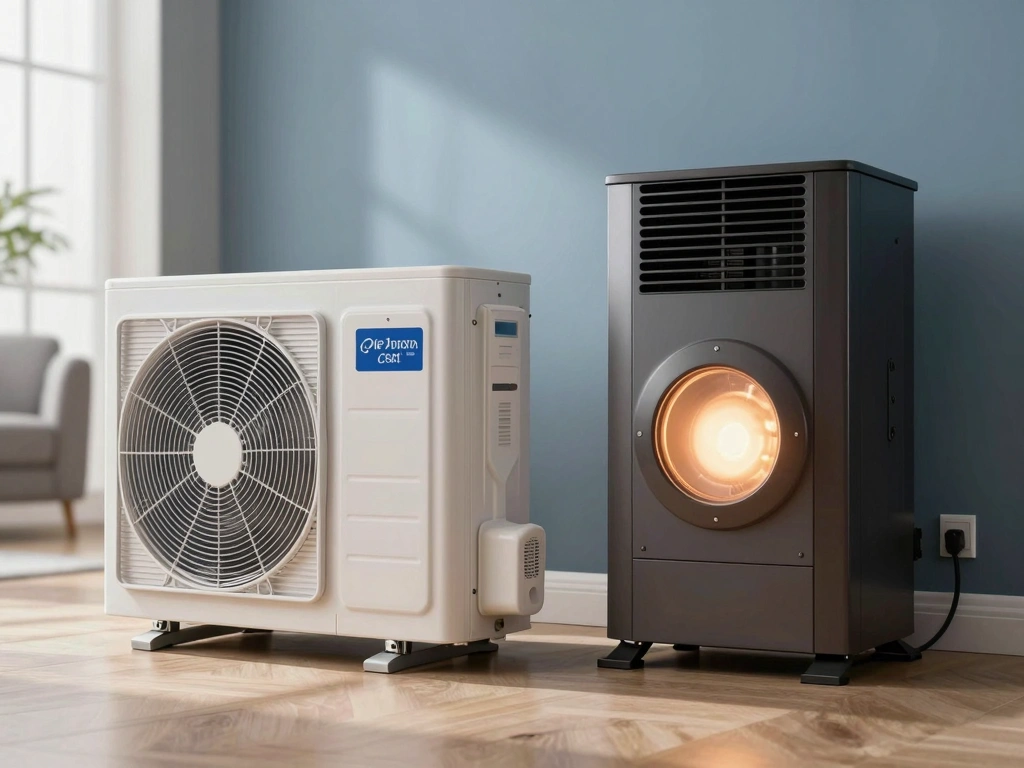
When comparing mini split AC units to other cooling options, such as central air conditioning systems and window units, several factors come into play. Central air conditioning systems are often more suited for larger homes with existing ductwork, but they consume more energy and can be more expensive to install. On the other hand, window units are typically less expensive upfront but lack the efficiency and aesthetics of mini splits. Ultimately, the choice between these options depends on the specific needs of the space, budget considerations, and desired energy efficiency.
Choosing the Right Mini Split AC Unit
Factors to Consider When Selecting a Mini Split AC Unit
Choosing the right mini split AC unit involves considering several key factors:
- BTU Capacity: The British Thermal Unit (BTU) rating measures the unit's cooling power. Selecting the right capacity based on the size of the room is crucial for optimal performance.
- Installation Location: Assess where the indoor unit will be placed, ensuring it has adequate airflow and is easily accessible for maintenance.
- Number of Zones: Determine how many separate zones require cooling or heating to select an appropriate model with sufficient indoor units.
- Energy Efficiency Ratings: Look for units with high SEER ratings, as these indicate greater energy efficiency, leading to lower operational costs.
- Noise Levels: Consider the noise levels of indoor units, especially for bedrooms or quiet workspaces.
Top Brands and Models in 2026
As of 2026, several brands stand out in the mini split AC market, known for their reliability and performance:
- Mitsubishi Electric: Renowned for their advanced technology and energy efficiency, Mitsubishi mini splits are a popular choice among consumers.
- Daikin: This company offers a wide range of models suitable for both residential and commercial applications.
- LG: Known for innovative features and smart technology integration, LG mini splits are gaining traction in the market.
- Fujitsu: Offering durable units with excellent heating performance, Fujitsu models are ideal for colder climates.
Energy Efficiency Ratings Explained
Energy efficiency ratings are a vital aspect of mini split AC units, guiding consumers in selecting the best options for their needs. The Seasonal Energy Efficiency Ratio (SEER) measures the cooling output during a typical cooling season divided by the total electric energy input, establishing a ratio that indicates energy usage efficiency. The higher the SEER rating, the more energy-efficient the unit is. Additionally, the Heating Season Performance Factor (HSPF) measures heating efficiency, providing consumers with data on both cooling and heating capabilities.
Installation Process for Mini Split AC Units
Step-by-Step Guide to Installing a Mini Split AC
Installing a mini split AC unit can be a straightforward process if done correctly. Here’s a step-by-step guide:
- Determine Location: Choose an ideal location for the indoor unit, ensuring it has unobstructed airflow.
- Install the Mounting Bracket: Secure the mounting bracket for the indoor unit to the wall or ceiling.
- Drill a Hole: Drill a hole through the wall to connect the refrigerant lines and drainage pipe between the indoor and outdoor units.
- Connect the Lines: Install the refrigerant lines and electrical wiring from the outdoor unit to the indoor unit.
- Mount the Indoor Unit: Hang the indoor unit on the bracket, ensuring it’s level.
- Connect the Outdoor Unit: Set up the outdoor unit in a suitable location, making sure it has proper ventilation.
- Test the System: Once installed, test the system to ensure it’s functioning correctly.
Common Installation Mistakes to Avoid
While installing a mini split AC unit is manageable, avoiding common mistakes is essential to ensure optimal performance and longevity:
- Incorrect Sizing: Failing to choose the appropriate BTU capacity can lead to inefficient cooling and increased energy costs.
- Poor Location Choice: Not considering airflow and accessibility can affect cooling effectiveness and maintenance.
- Inadequate Sealing: Not sealing connections properly can result in refrigerant leaks and decreased efficiency.
- Ignoring Electrical Requirements: Failing to comply with electrical requirements may cause safety hazards and equipment damage.
Hiring Professionals vs. DIY Installation
While DIY installation is feasible for those with technical skills, hiring professionals is often recommended for optimal results. Professionals can ensure proper installation, compliance with local regulations, and warranty coverage. Additionally, they can navigate complex electrical and refrigerant setup more efficiently, reducing the likelihood of future issues. For homeowners unfamiliar with HVAC systems, investing in professional installation can save time and potential repair costs down the line.
Maintenance and Troubleshooting Tips
Regular Maintenance Best Practices
Maintaining a mini split AC unit is essential for ensuring longevity and optimal performance. Here are some best practices:
- Clean or Replace Filters: Regularly clean or replace air filters every 1-3 months to improve airflow and efficiency.
- Inspect Ductless Lines: Check refrigerant lines for wear, leaks, or damage, and resolve any issues promptly.
- Clear Drain Lines: Keep drainage lines clear to prevent water buildup and damage.
- Organize Professional Maintenance: Schedule annual professional maintenance to ensure all components are functioning correctly.
Troubleshooting Common Mini Split AC Problems
Understanding common mini split AC problems can help users troubleshoot effectively:
- No Cooling: Check for dirty filters, refrigerant issues, or unit placement affecting airflow.
- Inconsistent Temperatures: Inspect for leaks in the refrigerant lines or issues with the thermostat.
- Unusual Noises: Noises may indicate loose parts, debris in the system, or compressor issues.
When to Call a Technician for Repairs
If troubleshooting does not resolve the issue or if you encounter complex problems such as refrigerant leaks or compressor malfunctions, it's essential to call a qualified technician. Professional help can prevent further damage to the system and is crucial for maintaining safety and efficiency.
Future Trends in Mini Split Technology
Innovations to Expect in 2026 and Beyond
As technology continues to advance, mini split AC units are expected to evolve significantly. Innovations may include:
- Increased Automation: Future models may feature advanced automation capabilities, allowing for remote management and enhanced user interfaces.
- Integration with Smart Home Systems: More units will likely integrate with smart home technology for seamless control and monitoring.
- Use of Eco-Friendly Refrigerants: Manufacturers are moving towards environmentally friendly refrigerants to reduce ecological impact and comply with regulatory standards.
Smart Features in Modern Mini Split AC Units
Modern mini split systems are increasingly equipped with smart features that enhance usability and efficiency, including:
- Wi-Fi Connectivity: Enables remote control via smartphones and tablets, allowing users to adjust settings from anywhere.
- Energy Monitoring: Provides real-time data on energy consumption and performance, allowing users to make informed decisions regarding usage.
- Self-Diagnosis Features: Advanced diagnostic capabilities can alert users to potential issues before they become significant problems.
Environmental Considerations and Sustainability
As awareness of environmental issues grows, mini split systems will increasingly focus on sustainability. This includes developments aimed at reducing energy consumption, utilizing eco-friendly refrigerants, and enhancing the lifespan of the units. By investing in energy-efficient technologies, consumers can not only save on utility bills but also contribute to environmental conservation efforts.