Understanding DPF and Its Importance in Modern Vehicles
The Diesel Particulate Filter (DPF) plays a crucial role in modern diesel engines, ensuring that harmful emissions are minimized. As regulations around vehicle emissions become increasingly stringent, understanding the function and maintenance of the DPF is essential for vehicle owners. A well-maintained DPF not only contributes to environmental protection but also enhances vehicle performance and efficiency. When exploring options for dpf reinigung hannover, it's important to grasp the intricacies of DPF systems.
What is a Diesel Particulate Filter?
A Diesel Particulate Filter is an emissions control device that captures and stores soot and other particulate matter produced by diesel engines. This process reduces harmful emissions from exhausting gases, contributing to cleaner air and compliance with environmental standards. DPFs are typically made from porous ceramic materials designed to filter out pollutants effectively.
How a DPF Functions and Its Role in Emission Control
The DPF operates by trapping soot particles during the combustion process. When the filter becomes full, the engine management system initiates a regeneration cycle, which burns off the accumulated soot, converting it into ash. This process is critical for maintaining optimal engine function and ensuring that emissions stay within legal limits.
Why DPF Cleaning is Essential for Vehicle Performance
Over time, the DPF can become clogged with soot and ash, leading to increased back pressure in the exhaust system. This condition can significantly affect vehicle performance, causing issues such as reduced fuel efficiency, engine misfires, and increased emissions. Regular cleaning of the DPF ensures that it functions efficiently, helping to maintain overall engine health and prolonging its lifespan.
Signs Your Vehicle Needs DPF Reinigung
Understanding when your vehicle requires DPF cleaning is vital for optimal performance. Ignoring early signs of a clogged DPF can lead to severe engine problems and costly repairs. It’s essential for vehicle owners in Hannover to be aware of these indicators to take timely action.
Common Symptoms of a Clogged DPF
There are several signs that may indicate a clogged DPF, including:
- Dashboard warning lights, particularly the DPF warning light.
- Reduced engine power and acceleration.
- Increased fuel consumption.
- Unusual engine noises or misfires.
- Black smoke from the exhaust.
How to Diagnose DPF Issues
Diagnosing DPF issues typically involves using an OBD-II scanner to check for error codes related to the DPF system. Common fault codes can indicate problems such as excessive pressure differences across the filter, which suggest a clog. It is highly recommended to consult with a professional for an accurate diagnosis.
Impact of Delayed Cleaning on Vehicle Health
Delaying DPF cleaning can lead to serious engine complications, including the risk of complete filter blockage. This can result in costly repairs, including potential engine damage and decreased performance. Therefore, regular inspections and cleaning of the DPF are crucial for maintaining vehicle health.
Effective DPF Cleaning Techniques
When it comes to cleaning a DPF, various methods are employed, each with its own advantages and disadvantages. The selection of the right technique can significantly influence the effectiveness of the cleaning process.
Comparison of Different DPF Cleaning Methods
There are several techniques available for DPF cleaning:
- Active Regeneration: This process is initiated by the vehicle's engine management system and occurs when the vehicle is driven at high speeds, enabling the DPF to reach temperatures that incinerate the soot.
- Passive Regeneration: Takes place during normal driving when the engine reaches a specific temperature that allows for continuous soot oxidation.
- DPF Cleaning Services: Professional cleaning can be conducted using specialized equipment that ensures thorough cleaning without damaging the filter.
- Chemical Cleaning: Involves the use of cleaning solutions that can dissolve soot and ash buildup, though caution is needed to avoid damage to the filter.
Step-by-Step Guide to Professional DPF Reinigung
When opting for professional DPF cleaning, the process generally includes the following steps:
- Diagnosis of DPF condition using diagnostic tools.
- Removal of the DPF from the vehicle for in-depth cleaning.
- Pressure washing and chemical treatment of the filter.
- Drying and reinstallation of the DPF.
- Final testing to ensure the filter is functioning correctly.
DIY Tips for Maintaining DPF Health
For those who wish to maintain their DPF between professional cleanings, consider these practices:
- Regularly drive at highway speeds to facilitate passive regeneration.
- Use high-quality diesel fuel that contains cleaning agents.
- Avoid short trips that prevent the DPF from reaching optimal operating temperatures.
Cost and Factors Influencing DPF Reinigung Hannover
The cost of DPF cleaning can vary widely based on several factors, including the vehicle type, the method used for cleaning, and the service provider. Understanding these factors can help vehicle owners budget appropriately for maintenance.
Typical Costs for DPF Cleaning Services
In Hannover, DPF cleaning services generally range from €199 to €599, depending on the cleaning method and the service provider. For instance, some facilities offer fixed-rate packages for standard vehicles, while others may charge more for complex systems.
What to Expect During a Cleaning Process
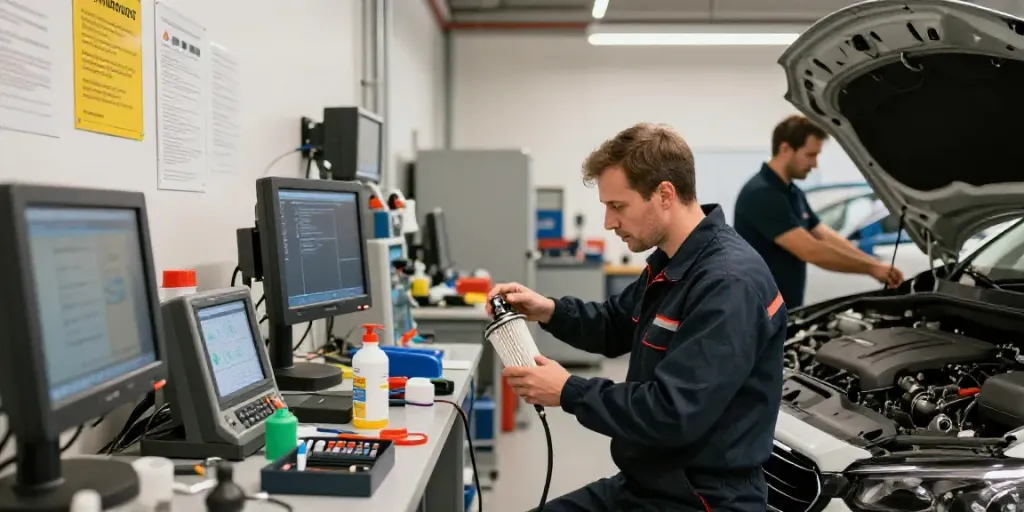
During a professional DPF cleaning service, expect the technician to conduct an inspection and diagnostics before beginning the actual cleaning. Following the cleaning, they will run tests to ensure that the filter is functioning efficiently.
Factors Affecting Pricing and Service Quality in Hannover
Several elements can influence the cost and quality of DPF cleaning services:
- The reputation of the service provider.
- The equipment and cleaning technology used.
- Any warranties or guarantees provided.
- Location and operating costs of the service center.
Future Trends in DPF Technology and Maintenance
The future of DPF technology is being shaped by ongoing innovations aimed at improving efficiency and reducing emissions. Keeping abreast of these trends is crucial for vehicle owners looking to enhance performance and sustainability.
Innovations Shaping the Future of DPF Systems
New DPF technologies are being developed that promise lower emissions and reduced maintenance needs. These innovations include advanced materials that facilitate better soot capture and regeneration.
Emerging Cleaning Technologies to Watch in 2026
As we approach 2026, several emerging technologies in DPF cleaning are anticipated:
- Ultrasonic cleaning, which utilizes sound waves to remove soot without damaging the filter.
- Nano-coatings that could enhance the filter's self-cleaning capabilities.
- Automated systems that monitor DPF conditions and schedule cleaning automatically.
Long-term Benefits of Regular DPF Maintenance
Regular DPF maintenance not only extends the lifespan of the filter but also significantly improves fuel efficiency and reduces emissions. This proactive approach is essential for any eco-conscious vehicle owner.
How Often Should You Clean Your DPF?
It is generally recommended to clean your DPF every 60,000 to 100,000 kilometers, depending on driving habits and vehicle type. Frequent short trips and stop-and-go driving can necessitate more regular cleaning.
Is DPF Cleaning Worth the Investment?
Investing in regular DPF cleaning is worthwhile, as it prevents more expensive repairs down the line, enhances vehicle performance, and contributes to a cleaner environment.
Understanding the Environmental Impact of DPF Systems
DPF systems play a critical role in reducing the environmental impact of diesel engines by capturing harmful soot and particulate matter before it can enter the atmosphere. Regular cleaning and maintenance of DPFs contribute to a reduction in air pollution and support global efforts to combat climate change.